


 admin
admin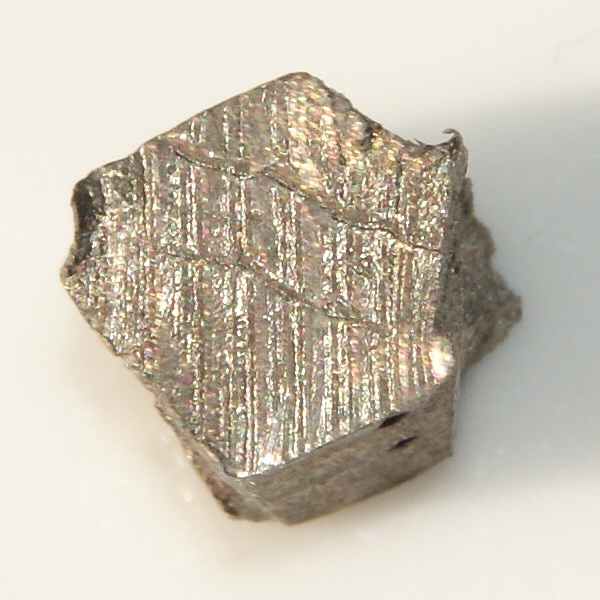
Neodymium (Nd) is a soft, silvery-white, rare-earth metal known for its powerful magnetic properties, forming the core of neodymium-iron-boron magnets used in modern electronics and renewable energy technologies. It is also used to color glass, create lasers, and in some specialized alloys. Found in minerals like monazite and bastnäsite, neodymium quickly tarnishes in air and must be stored in an inert environment.
Key Characteristics
- Lanthanide:
It is the fourth member of the lanthanide series and is classified as a rare-earth metal.
- Appearance:
In its pure form, it is a shiny, silvery-white, relatively hard and malleable metal.
- Reactivity:
It reacts with air and moisture, oxidizing to form a colored, protective layer of neodymium oxide.
- Chemical Element:
Neodymium has the symbol Nd and atomic number 60.
- High-Strength Magnets:
The most significant application is in making powerful neodymium-iron-boron (NdFeB) magnets, which are used in electric motors, hard drives, smartphones, and wind turbines.
- Lasers:
Neodymium-doped yttrium aluminum garnet (Nd:YAG) is a critical component in many industrial, medical, and scientific lasers.
- Glass Coloring:
Neodymium oxide imparts a distinct violet or purple color to glass and is used in color-enhancing filters.
- Alloys:
It is used in alloys to strengthen and improve the durability of metals for the aerospace and automotive sectors.
- Minerals:
Neodymium is found in significant quantities in minerals such as monazite and bastnäsite.
- Geographic Concentration:
Most of the world's commercial neodymium is mined in China, which is a significant factor in global supply and geopolitical considerations.